
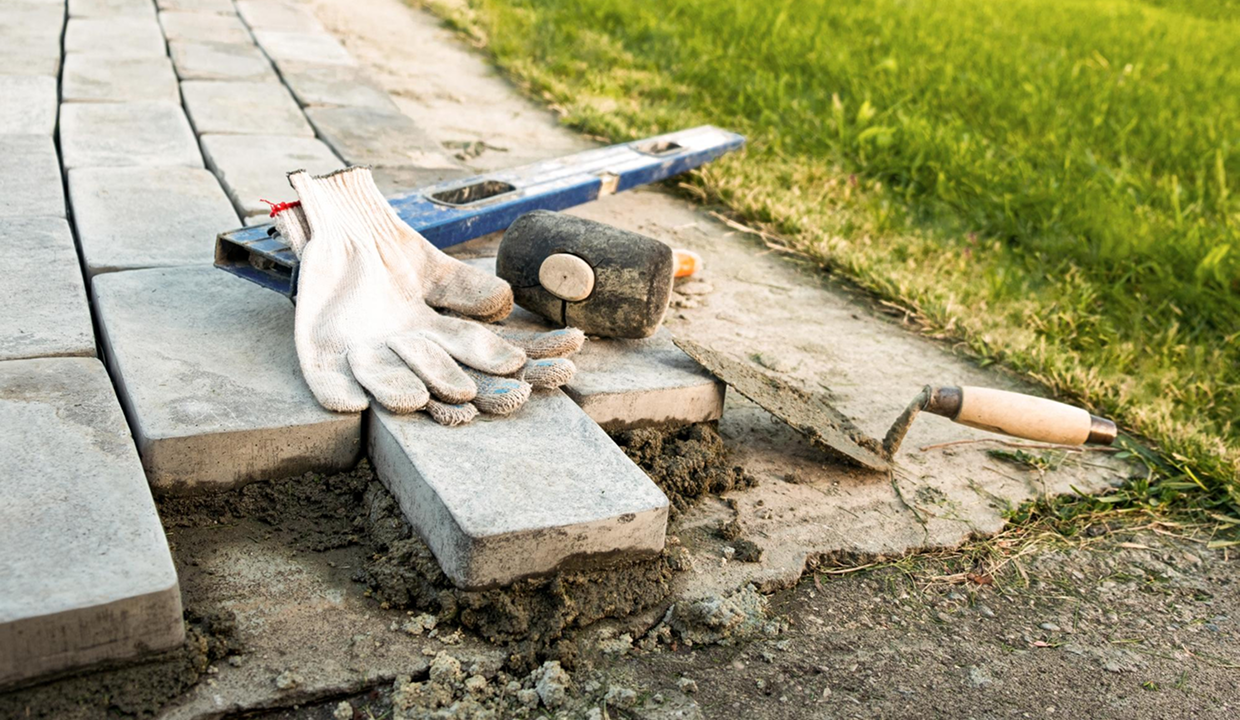
A newly paved backyard should stay level, stable, and attractive for years. When cracked pavers, uneven surfaces, or sunken areas start showing up after rain, the pavers themselves are rarely to blame. Usually the foundation under it has started to move.
Some common warning signs include:
- Paver joints become wider with time.
- Water collects when it rains in certain places.
- Pavers that rock or feel uneven beneath your feet.
- Small low points progressively become more apparent.
With over 10 years experience providing landscaping services in Melbourne, Bayside Landscaping understands how local soil conditions, drainage and construction practices impact the lifespan of outdoor paving. This guide covers why paving fails, what drives these problems, and what to think through before repairing or installing a new paved area.
Backyard paving usually cracks or sinks because the supporting layers beneath the surface become unstable. Poor ground preparation, drainage issues, reactive soils, and incorrect installation are the most common causes. Drawing on practical experience delivering landscaping services in Melbourne, experts like Bayside Landscaping guide on how these problems develop and what homeowners can do to reduce the risk of future paving failure.
Why Does Backyard Paving Crack and Sink Over Time
Backyard paving cracks or sinks when the ground beneath it stops providing consistent support across the whole surface.
The damage shows up on top, but the cause builds up below ground. A properly installed paved area runs through several layers, each doing a specific job:
- Bedding sand: Creates a level surface for laying the pavers.
- Pavers: Form the finished surface exposed to everyday use.
- Natural soil (subgrade): Forms the foundation of the entire paved area.
- Compacted road base: Distributes weight evenly and provides structural strength.
These layers function as one connected system. When the soil settles, the road base shifts, or the bedding layer loses support from below, that movement is reflected in the pavers above sitting on top.
A common assumption is that cracked paving points to low quality pavers, but most paving materials handle normal residential use without issue. The real culprit is almost always inadequate support beneath the surface, which lets individual pavers shift and eventually crack under load.
Key takeaway: Long-lasting paving depends on a stable foundation just as much as it depends on the quality of the finished surface.
Prevent Paving Problems Before They Start
How Does Poor Ground Preparation Cause Paving Failure
Poor ground preparation is behind more paving failures than any other single factor. Quality paving materials cannot make up for a base that was not built properly from the start.
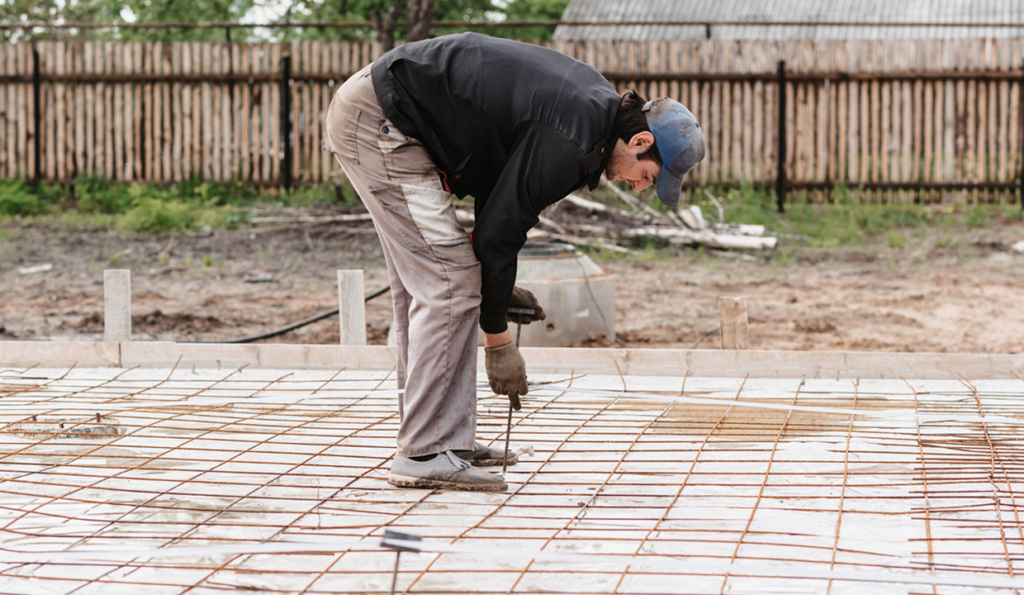
Before any pavers go down, the site needs proper preparation covering:
- Assessing the existing soil conditions.
- Excavating to the required depth.
- Installing a suitable compacted road base.
- Compacting the base in multiple layers.
- Applying an even bedding sand layer before installation.
Each step builds a stable platform that keeps the paved area performing over the long term.
Compaction is the step most often handled incorrectly. Running a plate compactor across the surface once is not enough. The material needs compacting in layers because deeper sections do not compress evenly in a single pass. Hidden voids left in the base may not cause visible problems straight away, but they tend to show up as settlement months or years down the track.
Using extra bedding sand to paper over uneven excavation is another mistake that can result in future paving issues. Bedding sand creates a consistent laying surface and nothing more. Piling it on to compensate for poor site preparation gives it more depth to compress, and that compression is what drives movement over time.
Key takeaway: Most paving problems start well before the first paver is placed. Getting site preparation right from the beginning is the single best investment in how long the paving lasts.
Why Is Water the Biggest Long Term Threat to Backyard Paving
Water gradually weakens the layers supporting paving from underneath, and the damage it causes often builds up long before anything visible appears on the surface.
Over time, water can:
- Soften the supporting soil.
- Wash fine particles from the bedding or road base.
- Create small voids beneath individual pavers.
- Trigger movement in reactive clay soils.
As the supporting layers weaken unevenly, some pavers end up carrying more load than others. That imbalance produces uneven surfaces, rocking pavers, and eventually cracking across the affected area.
Good drainage does more than stop puddles forming. It directs water away from the paved area and limits how much reaches the structural layers underneath. Thoughtfully planned irrigation systems for gardens nearby play a role here too, because water applied close to paved edges can penetrate beneath the paved area if drainage has not been designed to handle it.
Paving can deteriorate well below the surface before the visible signs appear. By the time pavers start sinking or water starts pooling, the supporting layers may already need significant attention.
Key takeaway: Managing water effectively protects both the visible paving and the structure carrying it from below.
How Do Tree Roots and Melbourne’s Reactive Clay Soils Affect Backyard Paving
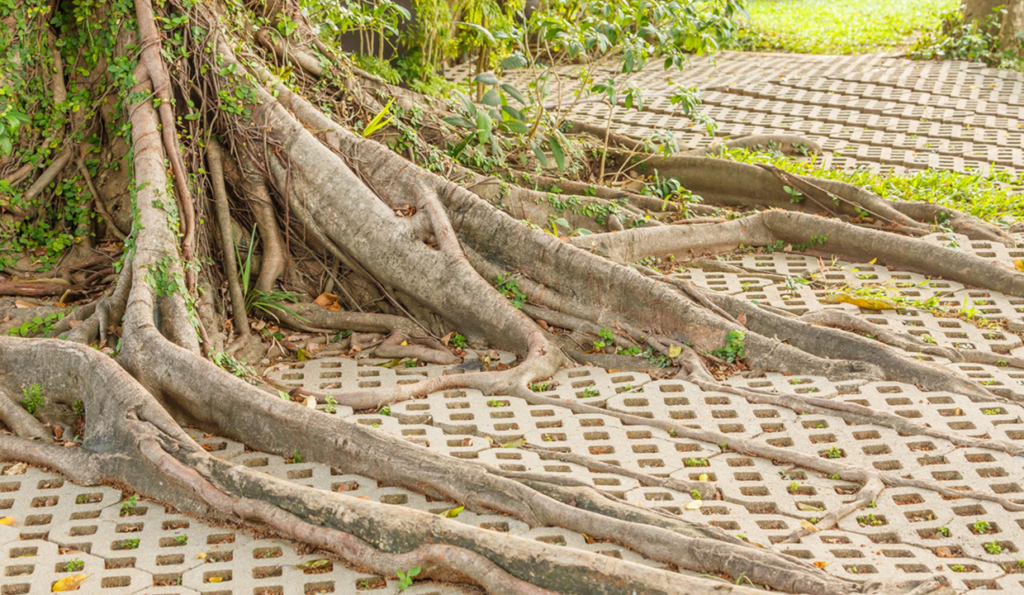
Tree roots and reactive clay soils push paving out of position even when installation was done correctly. Both create pressure from underneath, but through different mechanisms.
Tree roots expand outward as the tree grows. When that growth reaches beneath a paved area, it lifts sections and creates uneven surfaces that worsen over time. Cutting the roots out is not always straightforward either, since doing so without proper assessment can affect the health or structural stability of the tree itself.
Reactive clay soils work differently. They swell when they absorb water and contract again as they dry out. Melbourne has significant areas of reactive clay, so seasonal ground movement is something any outdoor paving project in this city needs to account for from the design stage.
Signs that soil movement may be affecting existing paving include:
- Raised or uneven sections.
- Gaps widening between pavers.
- Repeated movement after repairs.
- Cracks appear after seasonal weather changes.
Where site conditions require it, changes to foundation depth, drainage design or surrounding planting help reduce future ground movement.
Key takeaway: Tree roots and reactive soils cannot always be prevented, but good planning and construction practices can minimise their impact.
What Early Warning Signs Should Homeowners Never Ignore
Paving problems build up gradually, and catching them early usually means a simpler and less expensive fix before damage spreads across a wider area.
Signs worth paying attention to include:
- Cracked edge restraints.
- Sand washing out from the joints.
- Small areas beginning to sink.
- Weeds growing between widening joints.
- Pavers that move or rock when stepped on.
- Water sitting on the surface after rainfall.
These issues look minor on the surface, but they typically point to movement happening in the layers below rather than ordinary wear and tear from use.
Paving rarely fails all at once across an entire area. It usually starts in one spot and spreads outward as the supporting layers continue shifting. Addressing it early and arranging an inspection keeps a small repair from turning into a full reconstruction job.
Key takeaway: Surface changes that seem minor often reflect something larger happening underneath. Earlier action almost always costs less.
Can Sunken Backyard Paving Be Repaired or Does It Need Replacing
Complete replacement is not always necessary. The right call depends on what drove the movement and how far it has spread across the paved area.
Localised repairs work well when:
- Only a small section has settled.
- The supporting base can be properly fixed.
- Drainage issues can be resolved at the same time.
- The pavers themselves remain in good condition.
A broader reconstruction becomes necessary when:
- Settlement has spread across multiple areas.
- The road base has failed across a large section.
- Tree roots have caused damage over a wide area.
- Drainage problems persist across the whole site.
Replacing cracked pavers without fixing what caused them to crack is a mistake that is likely to lead to the same issues again within months. The underlying cause needs addressing first.
For homeowners planning wider improvements, planning about how the paved area connects with surrounding features such as garden edging, pavement for garden surfaces, and turf laying at the same time often improves drainage outcomes, cuts down on future maintenance, and improves the overall landscape design more cohesively. Considering landscape paving as part of an integrated plan rather than separate jobs tends to produce better long term results.
Key takeaway: Successful repairs fix the cause of movement first and replace damaged pavers second.
Fix Paving Problems With Practical Landscaping Solutions
Common Causes of Backyard Paving Failure
| Cause | Early Warning Sign | Possible Solution |
|---|---|---|
|
Poor ground preparation |
Uneven or rocking pavers |
Lift paving and rebuild the foundation. |
|
Poor drainage |
Water pooling after rain |
Improve surface falls and drainage. |
|
Reactive clay soils |
Seasonal movement |
Strengthen the base and improve moisture management. |
|
Tree roots |
Raised paving |
Assess root growth and redesign affected areas if required. |
|
Weak edge restraints |
Widening joints |
Reinstate or replace edge restraints. |
Conclusion
Backyard paving does not crack or sink without a reason. Poor ground preparation, drainage issues, soil movement, and tree roots each wear away the foundation underneath until the surface above gives way. Catching the signs early prevents more extensive damage and keeps repair costs from climbing.
Bayside Landscaping brings more than a decade of hands-on experience delivering landscaping services in Melbourne and understands how local conditions shape paving performance over time. Whether a new installation is being planned or existing movement needs investigating, the team can provide practical guidance and quality workmanship to build an outdoor space that performs reliably over time.
FAQs
How long should backyard paving last?
When laid on a properly prepared foundation and maintained sensibly, backyard paving holds up for decades. How long it lasts is determined primarily by the pavers themselves and more to the quality of ground preparation underneath, how well drainage was designed, and how the area is looked after over time.
Can heavy rain cause pavers to sink?
Yes. Heavy rains loosen supporting soil, wash away fine particles from under the paving and expose faults in the foundation that dry conditions keep hidden. Areas with good drainage are less likely to move soon after a long wet season than those on reactive clay or with poor drainage.
Can individual sunken pavers be repaired?
Yes, often. If it is confined to a small area and the surrounding base is good , then the individual pavers can be raised , the base corrected and the pavers readjusted correctly. A professional inspection of the area will decide if a targeted fix is the right approach, or a more extensive rebuild is required.
Does sealing pavers stop them from sinking?
No. Sealing protects the surface from staining, weathering and colour fading, but does not strengthen the foundation that carries the paving. The sealer on top of the pavers will not stop settlement or cracking from continuing when the supporting layers continue to move.