
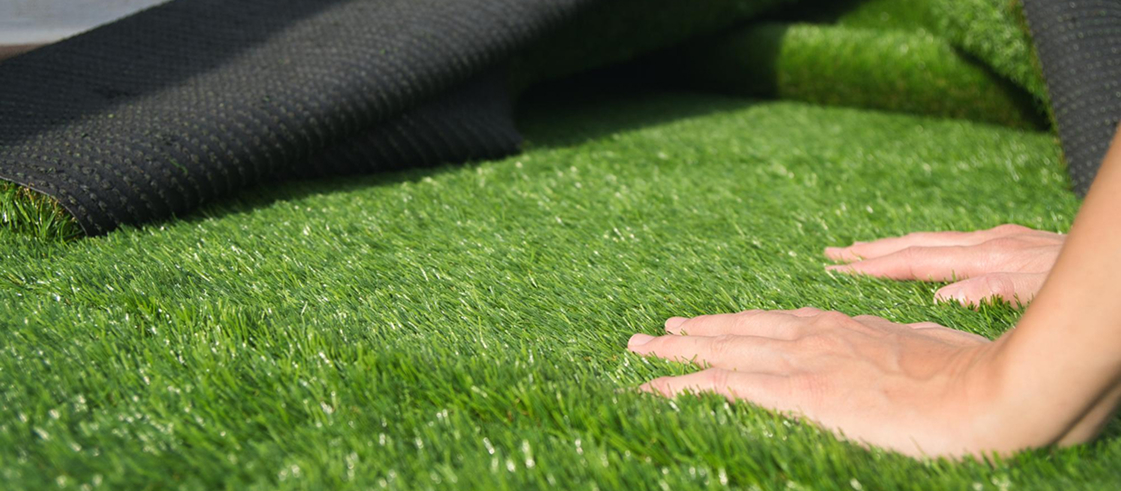
Planning synthetic grass installation in Melbourne without understanding the technical side causes problems that are completely avoidable. Most homeowners figure this out only after the damage shows up. Problems such as:
- Turf rippling or sinking after just a few months.
- Water pooling on the surface with nowhere to drain.
- The surface is burning hot for kids and pets through summer.
- Edges lifting and joins splitting well before they should.
Bayside Landscaping brings over 10 years of experience across residential outdoor projects in Melbourne. We help homeowners get this right before work even begins. This blog covers five things every Melbourne homeowner should know before installation day.
Homeowners planning synthetic grass installation in Melbourne should sort out five areas before work starts, including ground preparation, drainage, turf quality, heat management, and installation standards. Skipping any one of these leads to surface movement, odour, overheating, or turf that fails well ahead of time.
What Melbourne Homeowners Need to Get Right Before Installation Day
1. Why Does the Ground Underneath Make or Break the Entire Job?
Melbourne soil shifts. Reactive clay moves after rain, and that movement travels straight up through the turf above it. It may not show up straight away, but within a season or two the rippling and sinking become obvious, and the repairs get expensive.
Solid preparation means excavating the site, laying a crushed rock base, compacting it correctly, and fitting edge restraints that hold firm. Teams offering excavation services in Melbourne bring the equipment and know-how that a shovel and a hire machine simply cannot match. Getting this stage right is what separates a surface that holds from one that fails.
Build An Outdoor Surface That Lasts Through Melbourne Weather
2. How Much Does Drainage Actually Matter for Artificial Turf?
A natural lawn soaks up water gradually. Synthetic turf cannot do that. Every bit of rain that lands on the surface needs a clear path out, and it needs to move fast.
Poor drainage creates a chain of problems:
- Water sits on the surface and stays there.
- Trapped moisture beneath the turf turns into odour.
- The base softens and the surface shifts underfoot.
- Stagnant spots attract mosquitoes.
Melbourne gets consistent rainfall across several months of the year. A proper grass laying job grades the surface slightly away from sitting areas so water moves off cleanly. Drainage planning is part of the job, not a bonus add-on.
3. What Should You Actually Look for When Comparing Turf Products?
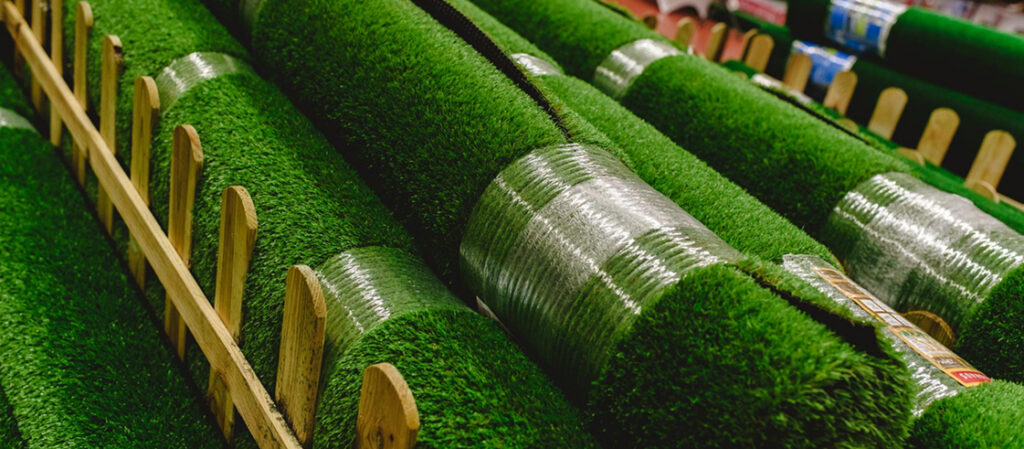
The turf market has a wide range and an equally wide gap in quality. Budget products look fine in a showroom. Out in the Melbourne sun and foot traffic, they fade, flatten, and fray faster than most people expect.
Pile height, yarn density, UV resistance, backing strength, and heat performance all shape how a product holds up over time. Polyethylene is the go-to choice for family homes. It feels softer underfoot and handles daily use better than harder alternatives.
If your project combines turf laying with an outdoor entertaining area, think about how the turf edges meet everything around it. Connecting turf cleanly to decking in Melbourne projects, paving, or garden borders gives the whole space a finished look. Ask for warranty documentation and drainage specs before committing to anything.
4. Does Artificial Turf Really Get That Hot in Summer?
Synthetic turf in direct afternoon sun gets far hotter than natural grass on the same day. Darker yarn shades pull in more heat and cool down slowly once the sun moves.
Good installers tackle this by recommending lighter-tone options, working around existing shade structures, and sometimes advising on pergola or shade sail placement. For residential landscaping in Melbourne that includes kids’ play zones or pet areas, managing heat is a safety call.
5. Why Does How the Turf Gets Installed Matter as Much as the Product Itself?
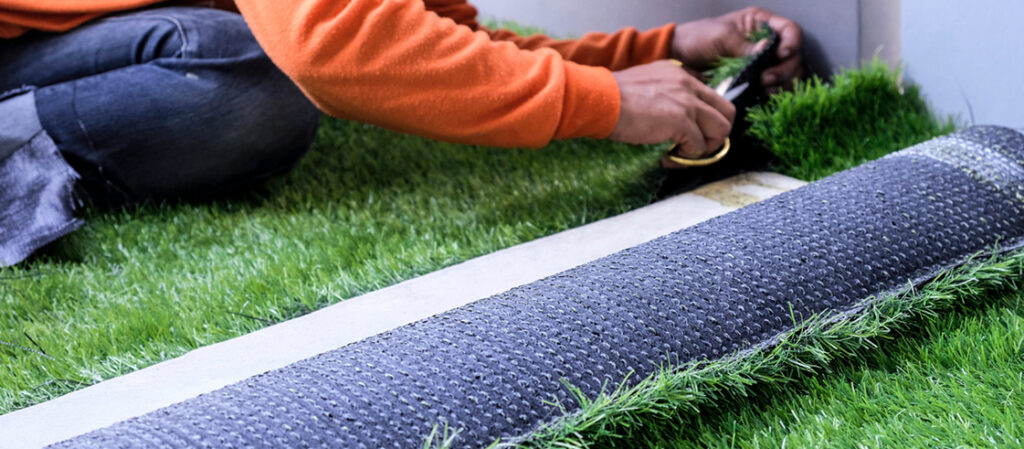
Premium turf installed poorly will not last. Weak joins, uneven compaction, and rough edging create failure points that appear within a year or two. Before work starts, a solid installer should walk you through:
- What site preparation your property specifically needs.
- How drainage gets managed across your block.
- What foot traffic level the chosen product can handle.
- Whether the product suits pets and how odour gets controlled.
- What maintenance looks like once the job is done.
Teams experienced in residential landscaping in Melbourne put this in writing upfront because it protects everyone involved.
Install Synthetic Grass The Right Way From Day One
Conclusion
Synthetic grass installation in Melbourne done well is technical work. The ground has to be prepared correctly, drainage has to function, and the installation has to be carried out by people who understand Melbourne soil and conditions specifically. Bayside Landscaping has been delivering outdoor projects across Melbourne for over a decade.
Our team plans every job with the long term in mind because that is what actually matters to the people we work with. Thinking about synthetic turf for your property? Call us today and let us walk you through exactly what your job involves.
FAQs
How do you maintain synthetic grass after installation in Melbourne?
Synthetic turf needs very little upkeep but it does need some. Brushing the pile regularly keeps it standing upright and looking natural. Clearing leaves and debris stops organic build-up from blocking drainage. A rinse with water now and then keeps the surface fresh, particularly in homes with pets or areas that get heavy foot traffic year round.
Do Melbourne homeowners need council approval before installing synthetic grass?
Most residential synthetic grass installations in Melbourne do not need a planning permit. Properties in heritage overlays, near drainage easements, or in flood-prone areas may have specific requirements. Checking with your local council before surface work begins takes very little time and prevents compliance headaches later on.
How does synthetic turf perform in backyards with dogs or cats?
Synthetic turf works well for pets when the backing is permeable and the drainage base is graded correctly. Liquid moves through the surface fast, which keeps odour from building up. Picking the right product for pet use matters just as much as how it gets installed. Denser yarn options hold up better in zones where pets spend a lot of time.
Can synthetic grass connect cleanly with decking or paved areas?
A well-planned connection between surfaces lifts the whole outdoor result. Synthetic turf meets decking, concrete, pavers, and garden edging cleanly when proper edge restraint systems go in from the start. Sorting out these transitions before installation begins rather than after produces a finish that looks deliberate and holds together long-term.